
Is a White Sands Portrait Session Right for You?

Last Updated: November 5, 2026
Quick Summary
A White Sands portrait session is right for you if you want a distinctive outdoor backdrop, can commit to a sunrise or sunset time slot, and are comfortable walking on uneven sand. It is a poor fit if you need a controlled environment, precise scheduling, or a session that cannot move indoors.
Sessions typically last one to two hours and are timed around sunrise or sunset.
The best light is the first hour after sunrise or the last 90 minutes before sunset.
Budget half a day if you are combining portraits with exploring the park.
Check current permit requirements and fees directly with the National Park Service before your session.
Neutrals and earth tones blend with the dunes; avoid pure white and very pale pastels.
Table of Contents
The White Sands Photography Permit: What Clients Should Know
Planning a White Sands National Park Photoshoot: Gear, Sand, and Weather
Is a White Sands Portrait Session Right for You? The Decision Framework
What a White Sands Portrait Session Costs and What's Included
Book Your White Sands Portrait Session With Blessed Moments Photography
What a White Sands Portrait Session Actually Looks Like
A White Sands portrait session is a professionally guided photo shoot on the white gypsum sand dunes of White Sands National Park, typically lasting one to two hours and timed around sunrise or sunset.

A Realistic Session Timeline, Start to Finish
60-90 minutes before sunset: meet at the park entrance and drive in
15 minutes: scout a dune area away from the busiest pullouts
60-75 minutes: photograph, moving between open sand, ridge lines, and shadowed slopes
15 minutes: final group frames as the light drops
After: shake out shoes, drive out before full dark
The Best Time of Day to Go to White Sands for Photos
The best time of day to go to White Sands for photos is the first hour after sunrise or the last 90 minutes before sunset. Low sun angles create soft light and long shadows across the dunes, while midday sun flattens the sand into a bright, harsh white that is hard on faces and harder on cameras.
How Much Time Do I Need in White Sands National Park?
If you're combining portraits with exploring, budget half a day. Families with young children often do better with a shorter, focused visit, kids fade fast in heat and bright light.
The White Sands Photography Permit: What Clients Should Know
The park's own rules are the authority here, so check current requirements and fees directly with the National Park Service White Sands photography permit page before your session.
Planning a White Sands National Park Photoshoot: Gear, Sand, and Weather
Most guides to a White Sands National Park photoshoot are written for photographers, lens choices, sensor cleaning, tripod maintenance. If you're the client, the questions that decide whether the session goes well are different: what do I wear, what do I carry, and how do I keep sand out of my car and clothes?
What to Wear on the Dunes
White gypsum sand reflects light upward like a giant bounce card, flattering in soft light, unforgiving at midday, and it changes what colors work.
Neutrals and earth tones, cream, sand, olive, rust, denim, and soft gray, blend with the dunes and keep the focus on faces. Families who coordinate in two or three muted tones look more cohesive than families in matching outfits.
Avoid pure white and very pale pastels for large pieces. They can wash out against the sand and lose separation in the frame.
Avoid neon and large logos. They pull the eye away from faces and date the photos quickly.
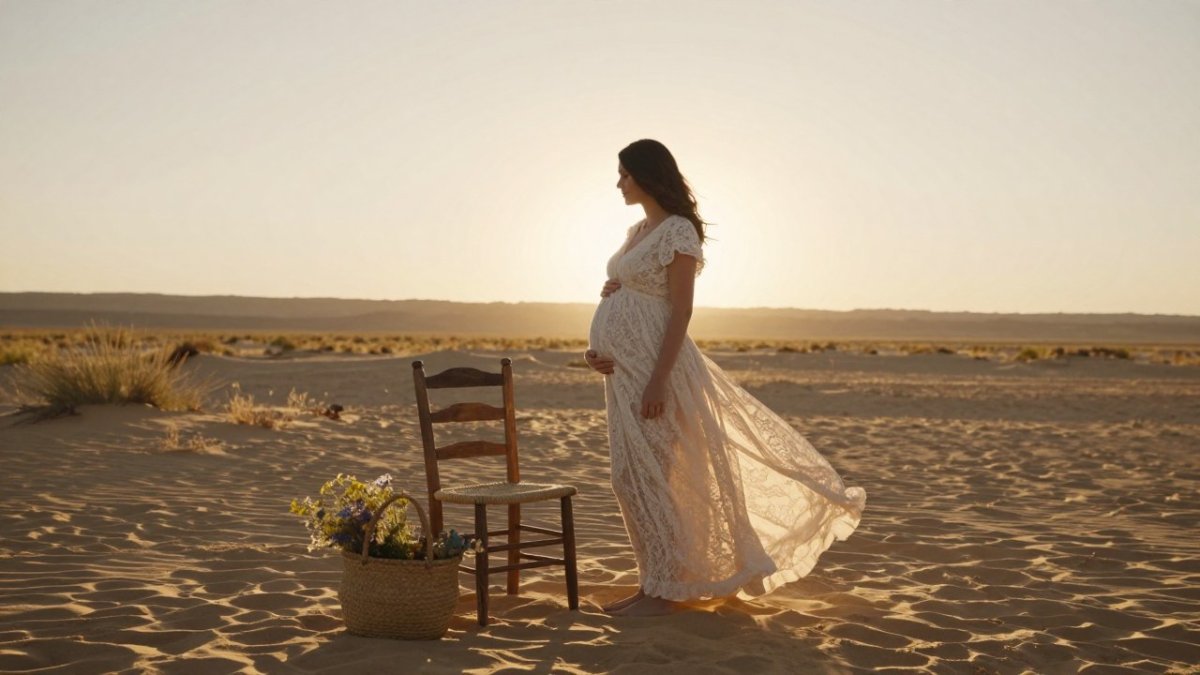
Long flowy fabrics, maxi dresses, linen, light knits, move in the wind and read beautifully against a plain backdrop. Stiff, structured fabrics look flat on open sand.
Layers matter. Sunrise sessions start cool and warm quickly; sunset sessions cool off fast once the sun drops.
Footwear, Feet, and Changing
Barefoot photos on the dunes are popular and work well, but the sand is not always comfortable: hot enough to sting in summer, simply cold in cooler months.
Bring flip-flops or slip-on shoes for the walk between shooting spots, and go barefoot only for the frames where you want it.
Closed shoes with socks are the safer choice for anyone with sensitive feet, and they photograph fine in most compositions.
There is no formal changing room on the dunes. Most clients change at the entrance restrooms or arrive in their first outfit and bring one backup in the car.
Pack a towel and a brush. A quick brush-off before you get back in the car saves a detailing bill.
What to Bring (and What to Leave Behind)
Water for everyone, in a closed bottle. Open cups and cans collect sand.
A bag that closes fully, a zippered tote or backpack. Open baskets and mesh bags let grit in.
Sunglasses and a hat for the walk in and out; take them off for the frames you care about.
A lint roller or soft brush for hair and clothing.
Leave valuables in the car rather than carrying them onto the dunes.
Protecting Phones, Cameras, and Belongings
Fine gypsum sand is the enemy of anything with a moving part or an exposed port.
Phones: keep them in a zippered pocket, not a loose bag. A single grain in a charging port can stop a charge.
Cameras you bring yourself: keep the lens cap on between shots and avoid changing lenses on open sand. If you must, do it inside a bag or in the car with the windows up.
Keys and wallets: a zippered pocket or small dry bag. Keys lost in sand are effectively gone.
Cars: shake out shoes and clothing before you get in, and keep the windows up on the drive out.
Wind, Heat, and Weather Realities
Wind can pick up without much warning on open dunes. Loose hats, scarves, and light dresses are the first things to fail in a gust.
Heat on white sand runs hotter than the forecast suggests, because the surface reflects both light and heat.
Storms in monsoon season can build quickly in the afternoon. Sunset sessions are more exposed to this than sunrise sessions, which is one practical argument for an early start.
Cold mornings in fall and winter are real. A sunrise session in the cooler months can start cold, so bring a jacket you can shed.
For a deeper look at handling wind, rain, heat, and cloud cover on the dunes, our guide to outdoor family photography weather tips covers the practical preparation in detail.
Is a White Sands Portrait Session Right for You? The Decision Framework
A White Sands portrait session suits clients who want a distinctive outdoor backdrop, can commit to a sunrise or sunset time slot, and are comfortable walking on uneven sand. Because the light and walking conditions shape how much time feels comfortable outdoors, considering portrait session length can help you decide whether this setting suits your plans.
Use this framework to decide:
If this describes you | Then choose |
You want dramatic, one-of-a-kind scenery | White Sands outdoor session |
You have young children or a tight schedule | Studio session |
You want barefoot, candid, movement-heavy photos | White Sands outdoor session |
You need guaranteed weather and temperature control | Studio session |
You are planning an elopement or couples portraits | White Sands outdoor session |
You want formal corporate headshots | Studio session |
You can see the full range of what we offer at scenic portrait photography in Southern New Mexico before committing, and browse real sessions in our White Sands National Park gallery to picture your own.
White Sands Versus a Studio or Other Outdoor Location
The dunes win on scenery and lose on control. A studio session gives you consistent light and a controlled environment, which may suit newborns, young siblings, and anyone who prefers to stay indoors.
For couples weighing a dune session against other options, our elopement and wedding portrait photography services show how a White Sands setting fits into a larger celebration. If you want the controlled alternative, the studio portrait photography page lays out backdrops and packages for a simple indoor session.
What a White Sands Portrait Session Costs and What's Included
Pricing for a White Sands portrait session is not a single number. It's built from a handful of cost factors, and understanding them is the fastest way to compare quotes fairly.
The Cost Factors That Drive the Price
Session length. A 60-minute session and a 90-minute session are different products. More time means more setups, more frames, and more editing.
Number of people. Group size affects posing time, the number of compositions, and how many final images you'll want.
Travel and location logistics. White Sands sessions involve a drive into the park, a one-way loop road, and time on site. Travel time is real work time and is usually reflected in the quote.
Permit handling. Commercial photography in the park requires a permit. Whether the photographer builds the permit cost and administrative time into the package or bills it separately varies, so ask directly.
Editing and retouching. Basic color and exposure work is standard. Extensive retouching, skin work, object removal, composite edits, is often priced per image or as an add-on.
What a Quote Should Include
Ask for a written breakdown before you book, and check that it covers:
The number of session hours and the number of people covered
Whether the park permit and any associated fees are included
How many edited images you receive, and in what resolution
Whether a print release or personal-use license is included
Turnaround time for delivery
A lower quote that excludes the permit, editing, or a print release is not actually lower. Compare quotes on the same list of inclusions.
Typical Add-Ons and Extras
Additional edited images beyond the included set
Rush editing for a deadline
Albums, canvases, and prints
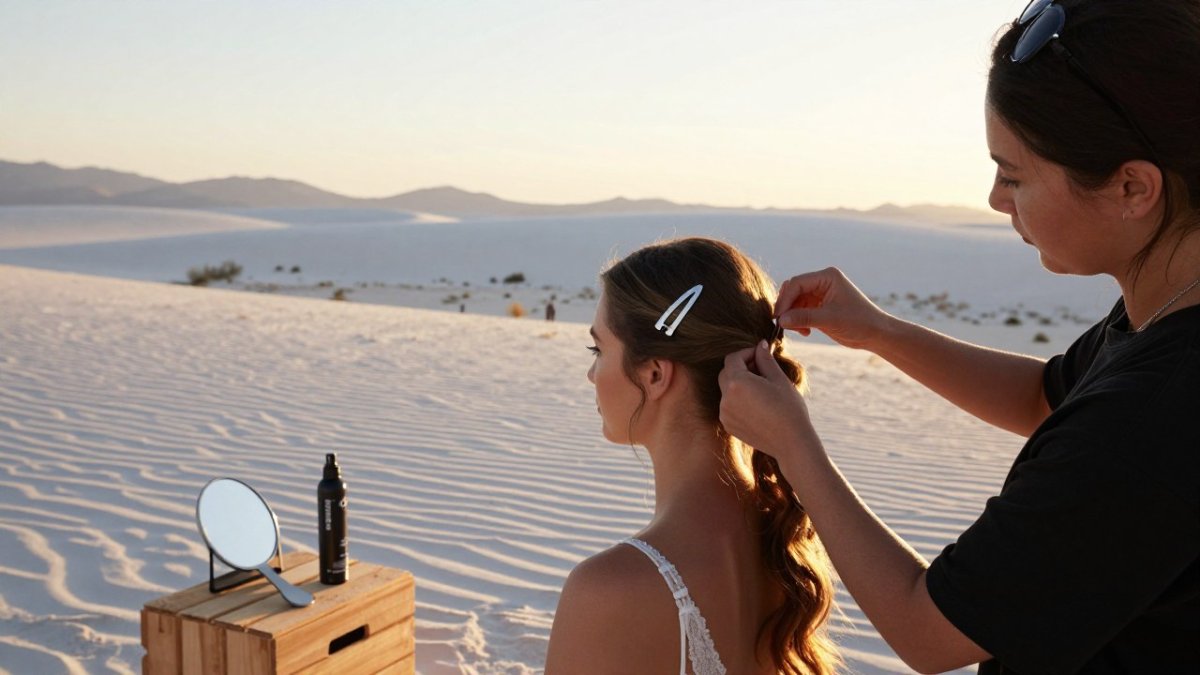
Hair and makeup, sometimes arranged by the photographer, sometimes booked separately
Second outfit or second location within the same session window
Extended family add-ons for reunions and larger groups
How to Budget Realistically
A common pattern is that clients underestimate the total by budgeting only for the session fee and forgetting prints, framing, or a larger album. Decide up front whether you want digital files only or finished products on the wall, because that choice moves the total more than any single line item.
Current pricing and package details are available through the Blessed Moments Photography website, where you can request a quote.
Book Your White Sands Portrait Session With Blessed Moments Photography
Deciding whether a White Sands portrait session fits your family is the hard part.
Blessed Moments Photography offers scenic outdoor sessions at White Sands National Park and a downtown Alamogordo studio, with session types including maternity, newborn, children's milestones, senior portraits, elopement, and corporate headshots.
Get started with Blessed Moments Photography and book a session that fits your family, your schedule, and the light.
Frequently Asked Questions
What should I wear for a White Sands portrait session?
Choose solid earth tones, jewel tones, or soft pastels that separate you from the white gypsum sand. Skip neon, busy prints, and pure white, which disappears against the dunes. Long flowing dresses and layered textures photograph well in the wind. Closed-toe shoes protect feet from hot sand, so bring them and carry sandals for the walk.
Do photographers need a permit for a White Sands photoshoot?
Yes. White Sands National Park requires commercial photographers to hold a permit, and the park generally asks for proof of business insurance and advance notice, with about 60 days described as ideal in photographer guidance. That timeline matters when you are booking a portrait session, because a last-minute date may not be possible. Ask your photographer to confirm the permit is secured before you finalize your session date.
Is a White Sands portrait session suitable for young children?
It can work well, but plan around the heat and wind. Book early morning or late afternoon when the sand is cooler, keep the session to a manageable length, and bring water and snacks. Children who dislike bright light or blowing sand may do better in a studio.
How does an outdoor White Sands session compare with a studio portrait session?
A studio session gives you controlled light, no wind, and no travel, which suits newborns and very young babies. White Sands offers a vast landscape, dune diversity, and dramatic light that a backdrop cannot copy, but it comes with heat, blowing sand, and permit planning. The right choice depends on who is in the photos and how much logistics you want to manage.

Comments